




New England winters bring heavy snowfall, freezing temperatures, and unpredictable weather that can take a toll on your roof. One of the most common winter roofing problems homeowners face is ice dams, which can lead to leaks, damaged shingles, and costly water damage.
TL;DR: To prevent ice dams, seal attic air leaks, improve insulation, maintain proper roof ventilation, keep gutters clear, and safely remove excess snow from roof edges. If you live in or around Salem, NH, Pine & Harbor can help protect your home with professional roof inspections, repairs, and roofing installations. Feel free to give us a call at (603) 475-8137.
What Causes Ice Dams on New England Roofs?
Ice dams form when snow melts on warmer sections of a roof and refreezes along the colder edges. This commonly happens when heated air escapes from the living space into the attic, warming the roof deck and melting the snow above it.
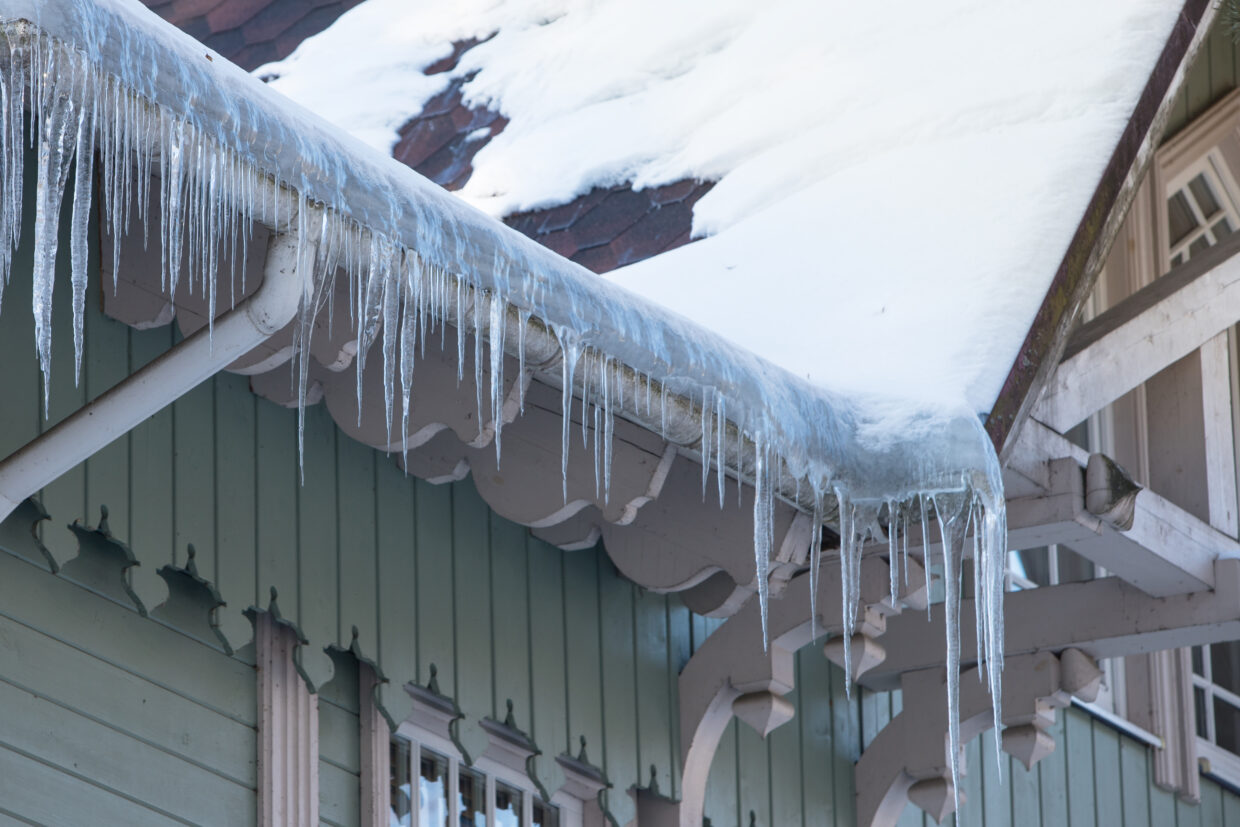
As water travels toward the roof’s colder eaves, it freezes and gradually forms a ridge of ice. Additional melting snow can then collect behind this barrier, potentially working its way beneath shingles and into the home’s insulation, walls, and ceilings.
New England’s frequent temperature fluctuations, heavy snowfall, and repeated freeze-thaw cycles make ice dams a recurring concern for homeowners throughout the region.
Common warning signs of ice dams include:
- Thick ridges of ice forming along roof edges.
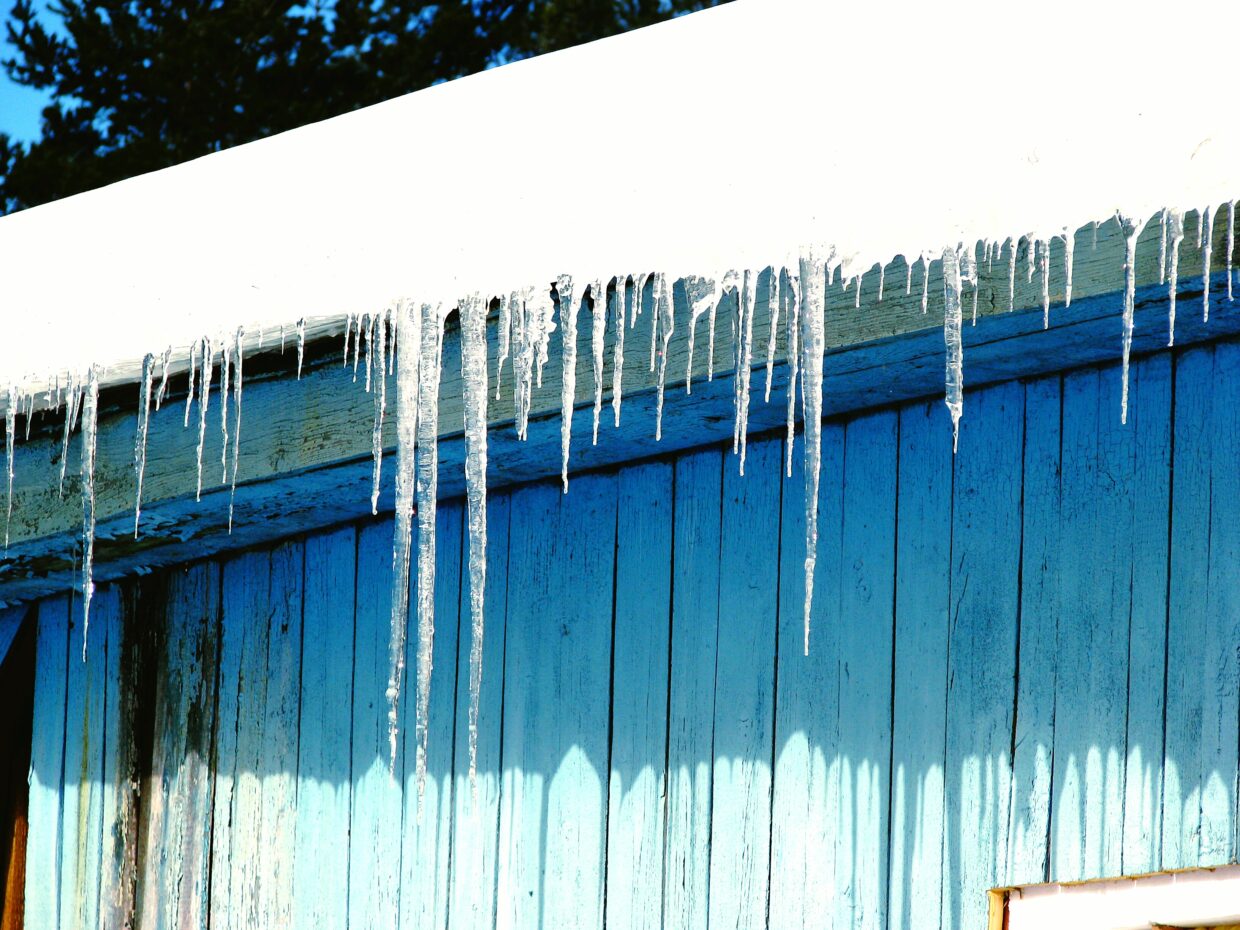
- Large icicles hanging from gutters and eaves.
- Water stains appearing on ceilings or interior walls.
- Peeling paint or moisture damage near the roofline.
- Water dripping into the attic during winter thaws.
While icicles don’t always indicate an ice dam, significant ice buildup along the roofline should be investigated before it leads to more serious problems.
5 Ways to Prevent Ice Dams This Winter
1. Improve Attic Insulation and Seal Air Leaks
One of the most effective ways to prevent ice dams is to stop warm indoor air from reaching the underside of your roof. Inadequate insulation and gaps around attic access points, recessed lighting, plumbing penetrations, and other openings can allow heated air to escape into the attic.
When this heat warms the roof deck, snow begins melting even when outdoor temperatures remain below freezing. Improving attic insulation and sealing air leaks helps maintain a more consistent roof temperature, reducing the conditions that allow ice dams to develop.
Homeowners with older New England properties should pay particular attention to attic insulation and air sealing, as these areas may not meet modern energy-efficiency standards.
2. Maintain Proper Roof Ventilation
Proper attic ventilation helps regulate temperatures and remove excess moisture beneath the roof deck. When correctly designed, soffit vents and ridge vents allow outside air to circulate through the attic, helping keep roof temperatures closer to outdoor conditions.
Blocked soffit vents, inadequate airflow, or poorly designed ventilation systems can contribute to uneven roof temperatures. However, ventilation alone cannot compensate for significant heat loss from the living space below.
When installing a new roofing system, it’s important to evaluate ventilation alongside insulation and air sealing to create a more effective defense against winter roofing problems.
3. Clean Gutters and Downspouts Before Winter
Leaves, twigs, and other debris can clog gutters and prevent melting snow from draining properly. During freezing temperatures, trapped water may turn into additional ice, placing unnecessary stress on gutters and contributing to drainage problems.
Although clogged gutters aren’t the primary cause of ice dams, keeping them clear helps reduce additional ice accumulation and allows water to drain more effectively during winter thaws.
Homeowners should clean their gutters after the majority of autumn leaves have fallen and inspect them for loose connections, sagging sections, or other damage before the first major snowfall.
4. Safely Remove Excess Snow From Roof Edges
Heavy snow accumulation provides the moisture needed for ice dams to develop. Removing excess snow from accessible roof edges can help reduce the amount of melting water that reaches colder sections of the roof.
A long-handled roof rake designed for snow removal allows homeowners to clear snow while remaining safely on the ground. Be careful not to scrape or damage shingles during the process.
Never climb onto a snow-covered or icy roof or attempt to break apart ice dams with hammers, axes, or other sharp tools. These methods can damage roofing materials and create serious safety hazards. For significant ice buildup, contact a qualified professional.
5. Schedule a Professional Roof Inspection
Even with proper insulation and ventilation, damaged roofing materials can leave your home vulnerable to water intrusion when ice dams form. Missing shingles, deteriorating flashing, and aging underlayment can allow trapped water to enter the roofing system.
A professional roof inspection can identify these vulnerabilities before winter weather makes them worse. If your roof is approaching the end of its expected lifespan, upgrading to a modern asphalt shingle roofing system may provide improved protection against snow, ice, and moisture.
It’s also important to ensure that appropriate ice and water barriers are installed in vulnerable areas during roofing projects. These protective membranes help reduce the risk of water intrusion if ice dams develop, although they do not prevent the ice dams themselves.
How Pine & Harbor Helps Protect New England Homes From Ice Dams
Based in Salem, New Hampshire, Pine & Harbor provides professional roofing services throughout New Hampshire, Northern Massachusetts, and Southern Maine. Our team understands the challenges that heavy snowfall, freezing temperatures, and unpredictable winter weather present for local homeowners.
While preventing ice dams often requires improvements to attic insulation and air sealing, a properly installed and maintained roof plays an essential role in protecting your home from water damage.
Pine & Harbor helps homeowners prepare their roofing systems for winter through:
- Roof Inspections: Identifying damaged shingles, deteriorating flashing, and vulnerable areas that may allow water intrusion.
- Roof Repairs: Addressing damaged roofing components before snow and ice worsen existing problems.
- Roof Replacements: Installing durable roofing systems designed to withstand New England’s demanding climate.
- Ice and Water Protection: Installing appropriate protective underlayment during qualifying roofing projects to reduce the risk of leaks caused by ice dams.
As a CertainTeed ShingleMaster Premier contractor, Pine & Harbor brings specialized product knowledge and professional installation expertise to residential roofing projects. Learn more about our roofing certifications and credentials.
Explore our roofing installation services to discover how we can help protect your home against New England’s toughest weather conditions.
Frequently Asked Questions About Ice Dams
Can ice dams damage asphalt shingles?
Yes. Ice dams can trap melting snow along the roofline, allowing water to work beneath shingles and potentially damage the roof deck, insulation, and interior ceilings. Properly installed asphalt shingle roofing systems with appropriate ice and water barriers help reduce the risk of leaks.
Do clogged gutters cause ice dams?
Not directly. Ice dams primarily develop because of uneven roof temperatures that cause snow to melt and refreeze. However, clogged gutters can contribute to drainage problems and additional ice accumulation along the roofline.
Will a new roof prevent ice dams?
A new roof alone won’t necessarily prevent ice dams, since attic heat loss is often the underlying cause. However, a properly installed roofing system with appropriate underlayment, flashing, and ice barriers can provide better protection against water intrusion when ice dams form.
What should I do if an ice dam is already forming?
If an ice dam has already developed, avoid climbing onto the roof or attempting to chip away the ice. You can use a roof rake to remove accessible snow from the ground, but significant ice buildup should be handled by a qualified professional. If water is entering your home, arrange for prompt inspection and repair of any resulting damage.
Prepare Your Roof for Another New England Winter
Ice dams are a common winter problem, but proper attic insulation, air sealing, ventilation, and routine roof maintenance can significantly reduce the risk. Taking preventive measures before heavy snowfall arrives can help protect your roof, insulation, and interior living spaces from costly moisture damage.
If you’ve experienced ice dams in previous winters, noticed signs of roof deterioration, or want to ensure your roofing system is ready for the colder months, Pine & Harbor can help.
Protect your home before the next winter storm. Contact Pine & Harbor today to discuss your roofing needs and learn how our team can help keep your home protected throughout the winter.