


Your roof does not have to be actively leaking to be nearing the end of its useful life. Missing shingles, deteriorating ridge caps, exposed fasteners, and widespread granule loss can all indicate trouble long before water reaches your living space.
Recognizing the warning signs early gives you time to schedule a professional inspection, compare your options, and make an informed decision before a minor concern turns into extensive water damage. Here are seven common signs that it may be time to consider a roof replacement.
1. Missing or Damaged Shingles
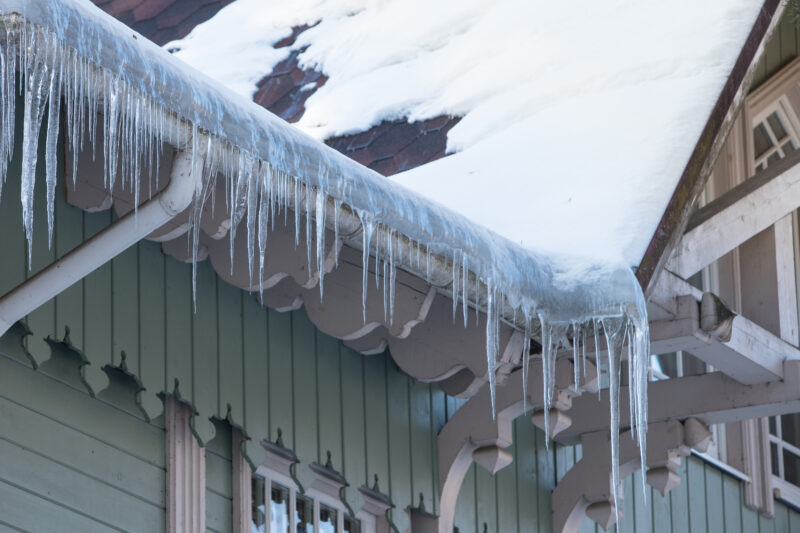
Shingles in your yard or visible gaps on the roof should not be ignored. High winds, falling branches, ice, and severe weather can loosen or remove individual shingles, leaving the underlayment and roof deck more vulnerable to moisture.
When the damage is limited to one small area and the surrounding roofing remains in good condition, a repair may be sufficient. However, repeated shingle loss or damage across multiple areas can indicate that the roofing system has become too worn or brittle to provide dependable protection.
2. Deteriorated Hip and Ridge Caps
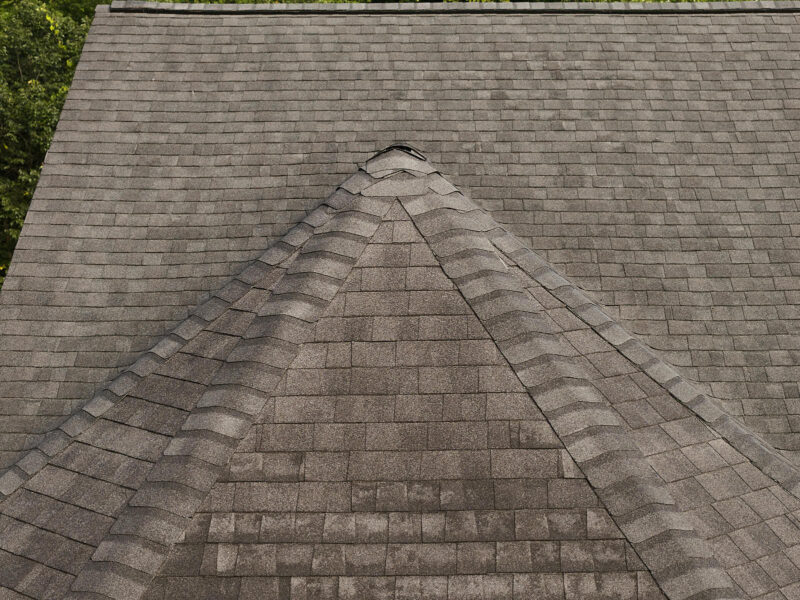
Hip and ridge cap shingles cover the peaks and angled transitions of your roof. Because these areas are highly exposed to wind, rain, snow, and sunlight, they may deteriorate sooner than the shingles on the main roof slopes.
Cracked, crumbling, loose, or missing ridge caps can leave these important transitions vulnerable to water intrusion. If you begin finding shingle fragments around your property, it is worth having the roof inspected even if the main slopes still appear to be in reasonable condition.

Deteriorating ridge caps from recent Pine & Harbor Project.
3. Excessive Shingle Granule Loss
The granules embedded in asphalt shingles help protect the roofing material from ultraviolet light, moisture, and everyday weather exposure. A small amount of shedding is normal, particularly after a new roof has been installed. Granule loss becomes more concerning when it is widespread or continues to increase over time.
Warning signs can include:
- Large deposits of granules inside the gutters
- Granules collecting beneath downspouts
- Dark or uneven areas across the roof
- Bare patches where the asphalt layer is visible
Once significant areas of a shingle have lost their protective granules, the underlying material can deteriorate more quickly. This may indicate that the roof is approaching the point where replacement is more practical than continued repairs.
4. Exposed Nail Heads or Raised Fasteners
Properly installed roofing shingles should cover most of the nails used to secure them. Exposed nail heads, raised fasteners, or nails backing out of the roof can create potential entry points for moisture.
These conditions may be caused by improper installation, expansion and contraction, movement in the roof deck, or deterioration of the surrounding roofing material. A few exposed nails do not automatically mean that the entire roof needs to be replaced, but they should be professionally evaluated and sealed or repaired correctly.
5. Brittle, Cracked, or Curling Shingles
As asphalt shingles age, they gradually lose flexibility. They may begin to crack, curl at the edges, buckle, or break when roofing repairs are attempted. Brittle shingles can also make localized repairs more difficult because lifting one shingle may damage the surrounding material.
If cracking or curling is isolated, a targeted repair may still be possible. When the same deterioration appears across large sections of the roof, replacement may offer a more reliable and cost-effective long-term solution.
Do not climb onto your roof or bend shingles to test their condition. Walking on an aging roof can damage brittle materials and creates a serious safety risk. Have the roof evaluated by an experienced roofing professional instead.
6. Water Stains on Ceilings or Walls
Brown stains, bubbling paint, peeling drywall, or damp areas on ceilings and walls warrant prompt investigation. Roof leaks are one possible cause, although plumbing problems, condensation, and inadequate ventilation can create similar symptoms.
The source of the moisture should be identified and corrected before the affected area is repainted or repaired. Covering the stain without resolving the underlying issue can allow hidden moisture damage, mold, or wood deterioration to continue.
A professional roof inspection can help determine whether the moisture is entering through damaged shingles, flashing, roof penetrations, valleys, or another vulnerable part of the roofing system.
7. Recurring Leaks or Repairs
An isolated leak does not always require a complete roof replacement. However, leaks that repeatedly return or appear in different parts of the home may indicate broader deterioration.
Frequent repairs can also become increasingly difficult when the existing shingles are brittle, discontinued, or too worn to integrate reliably with new roofing materials. At that point, continuing to patch individual problems may only postpone the need for replacement while increasing the risk of additional damage.
Should You Repair or Replace Your Roof?
A localized problem on an otherwise sound roof may only require a professional repair. Roof replacement becomes more worth considering when deterioration is widespread, leaks keep returning, or repairs can no longer be completed without damaging the surrounding roofing.
Some of the factors a roofing contractor should evaluate include:
- The age and overall condition of the roofing material
- The number and location of damaged areas
- The condition of the flashing and roof penetrations
- Whether moisture has reached the roof decking
- The condition of the attic ventilation system
- The roof’s repair and leak history
- Whether replacement shingles can be properly matched and installed
Age is only one part of the decision. Two roofs of the same age may be in very different condition depending on installation quality, ventilation, maintenance, weather exposure, and the materials used.
Pine & Harbor installs a range of residential and commercial roofing systems, including asphalt shingles, slate, wood, composite materials, and low-slope roofing systems. Our team evaluates the entire roofing system so you can understand whether a focused repair or complete replacement makes the most sense.
Why a Professional Roof Assessment Matters
Many roofing problems are difficult to evaluate from the ground. A professional assessment can identify visible deterioration while also examining areas that homeowners may overlook, including flashing, ventilation, roof transitions, penetrations, and the condition of accessible decking.
Pine & Harbor brings more than 40 years of combined exterior construction experience to residential roofing projects. As a CertainTeed ShingleMaster Premier roofing contractor, our team is trained in roofing installation practices and can offer enhanced warranty options on qualifying roofing systems.
We work directly with homeowners planning roof repairs and replacements throughout New Hampshire, Northern Massachusetts, and Southern Maine. You can also review our roofing service area to learn more about the communities we serve.
Frequently Asked Questions About Roof Replacement
How do I know if I need a new roof?
Common signs that you may need a new roof include widespread missing or curling shingles, significant granule loss, recurring leaks, deteriorated ridge caps, exposed roofing material, and shingles that have become too brittle to repair reliably. A professional inspection is the best way to determine the roof’s overall condition.
Does a roof leak always mean I need a replacement?
No. A localized leak caused by damaged flashing, a missing shingle, or a roof penetration may be repairable. Replacement may be recommended when leaks are recurring, damage is widespread, or the surrounding roofing material is too deteriorated to support a dependable repair.
How old should a roof be before it is replaced?
There is no single replacement age that applies to every roof. The roof’s material, installation quality, ventilation, maintenance history, and exposure to New England weather all affect its service life. Its current condition is more important than age alone.
Can I inspect my roof myself?
You can look for visible warning signs from the ground, such as missing shingles, debris, uneven areas, or granules near downspouts. You should not climb onto the roof yourself. Roofing surfaces can be slippery, steep, unstable, or easily damaged.
Schedule a Roof Assessment With Pine & Harbor
If you are unsure about the condition of your roof, Pine & Harbor can help you understand what you are seeing. We will assess the roofing system, identify areas of concern, and clearly explain whether a repair or roof replacement makes sense for your property.
Contact Pine & Harbor to request a roof assessment or free estimate.